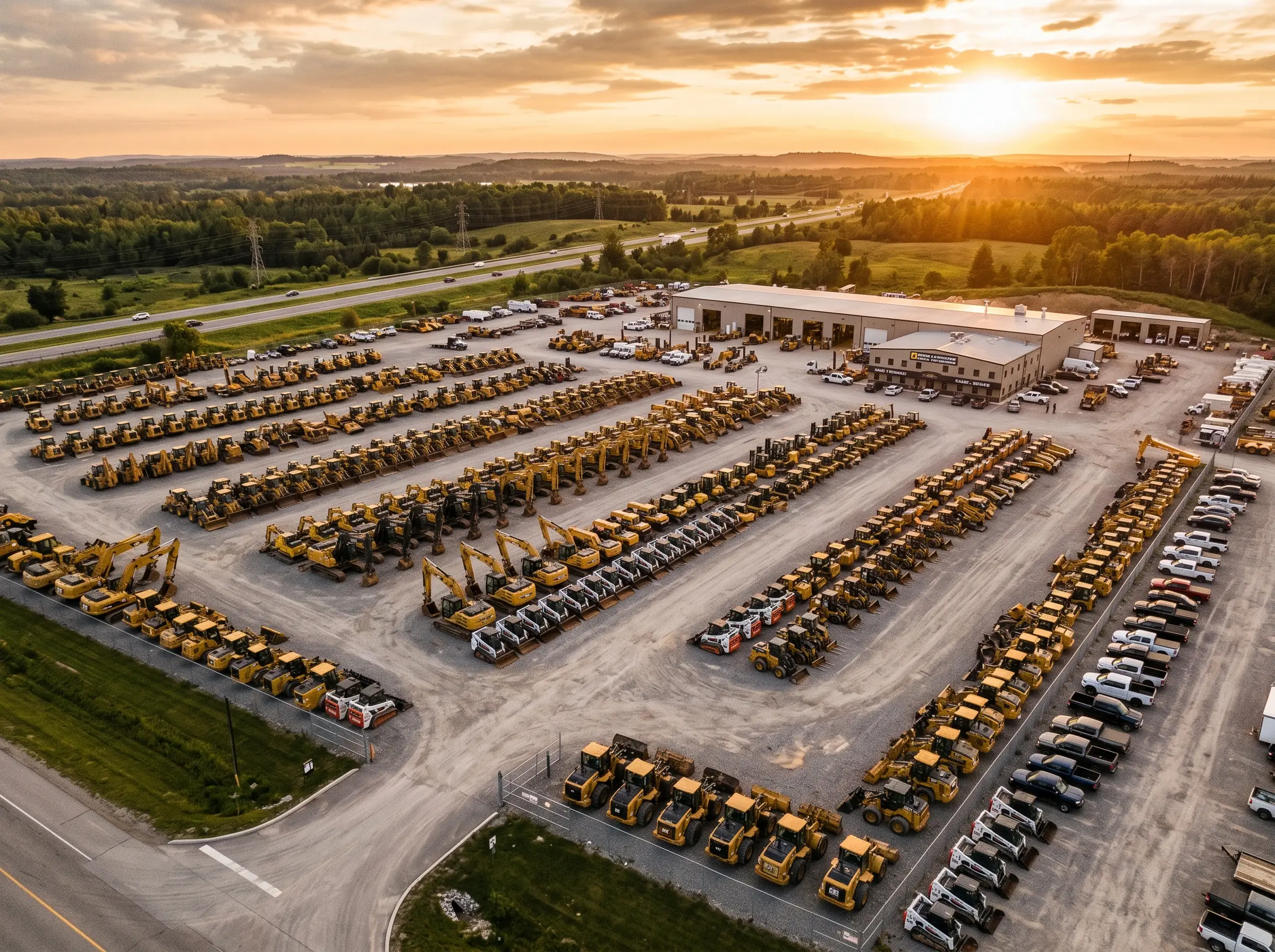
Heavy Equipment Hauling
Transport planning for construction equipment, industrial machinery, and site equipment moving between yards, dealerships, auctions, and active job sites. Every quote starts with the machine dimensions, operating weight, loading requirements, pickup conditions, delivery access, and requested schedule.
Oversize Load Transport
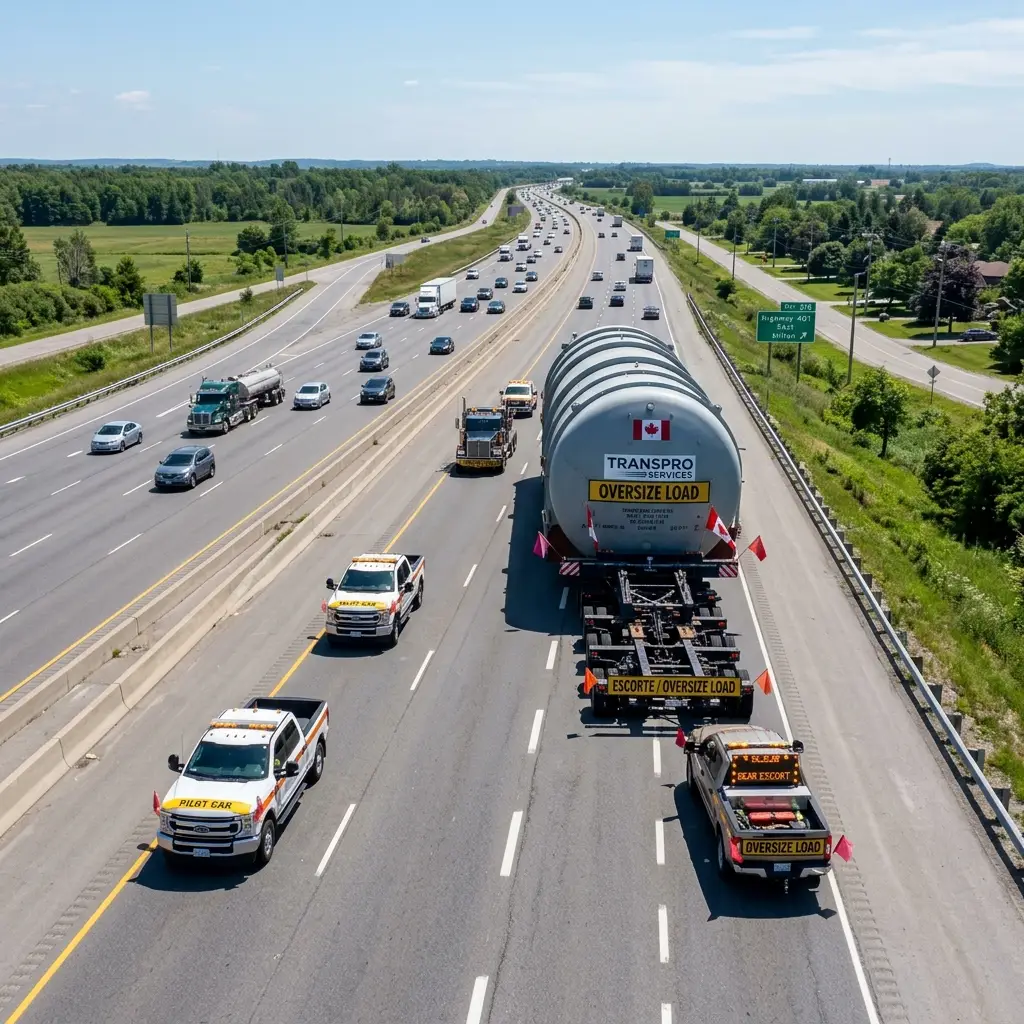
Wide, tall, long, or overweight equipment can require more than a truck and trailer. Requirements vary by the load dimensions, axle configuration, municipalities, highways, and final route.
Permitting and route coordination may include:
- Reviewing equipment dimensions and operating weight
- Identifying provincial or municipal permit requirements
- Checking bridge, clearance, road, and seasonal restrictions
- Planning an appropriate pickup-to-delivery route
- Coordinating pilot cars or escort vehicles when required
- Confirming loading, unloading, and job-site access
Final permit, escort, and scheduling requirements are confirmed only after the equipment and route details have been reviewed.

Lowboy, Float and RGN Transport
Different machines require different deck heights and loading approaches. Ontario Logix reviews the load before coordinating a lowboy, float, or removable gooseneck configuration.
Lowboy Transport
A low deck helps reduce overall transport height for tall excavators, bulldozers, cranes, and other heavy machinery.
Float Transport
Commonly used for equipment-yard, rental-fleet, and job-site moves where loading access and local delivery timing matter.
RGN Transport
A removable gooseneck can allow suitable tracked or wheeled equipment to load from ground level.
Send the equipment make, model, dimensions, operating weight, pickup location, and destination so the transport requirements can be reviewed.
Construction Equipment Shipping
Equipment-specific planning helps match the machine to the loading method, trailer configuration, route, and delivery conditions.
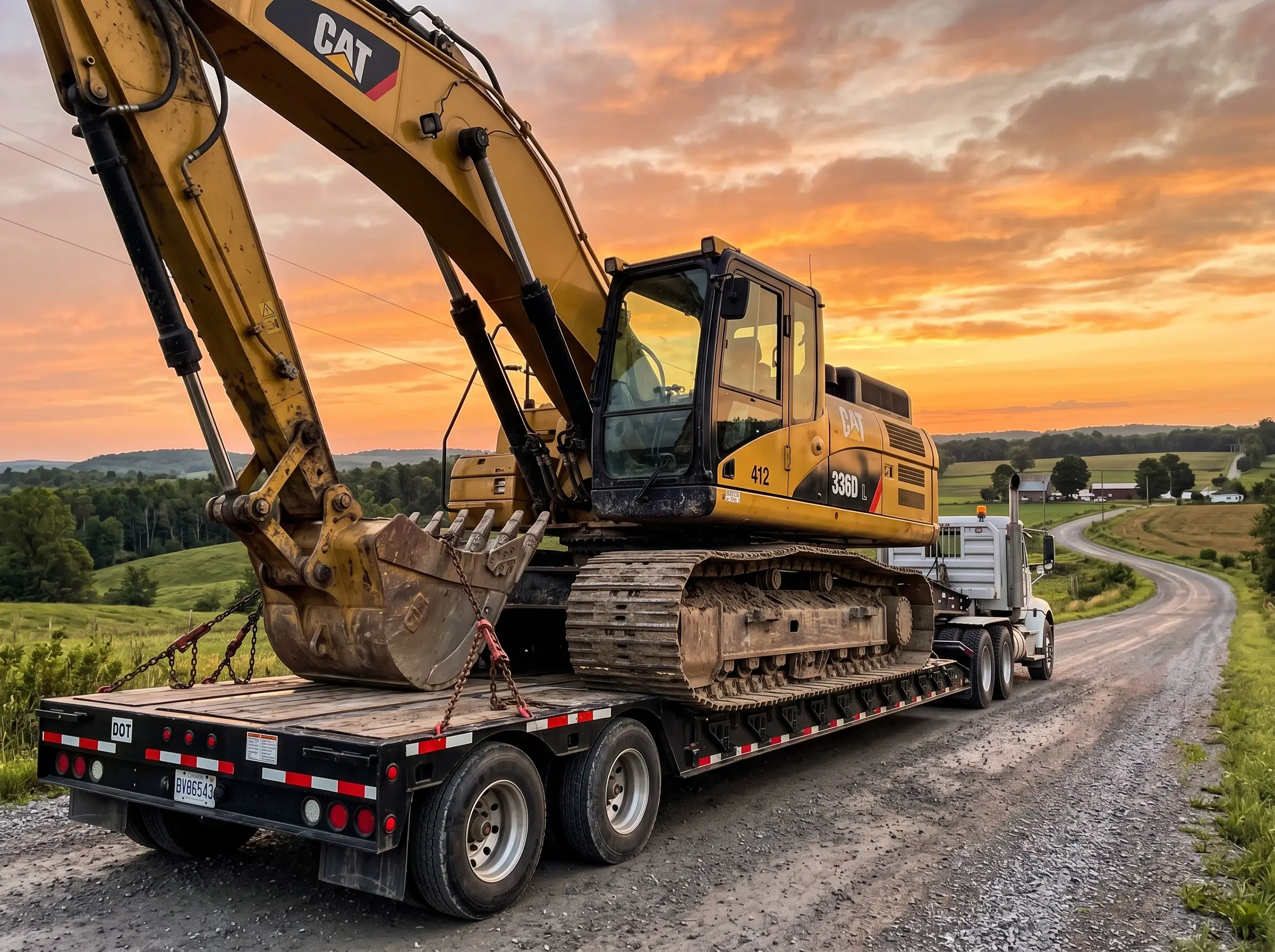
Excavator Transport
Planning based on operating weight, track width, attachments, overall height, and loading access.
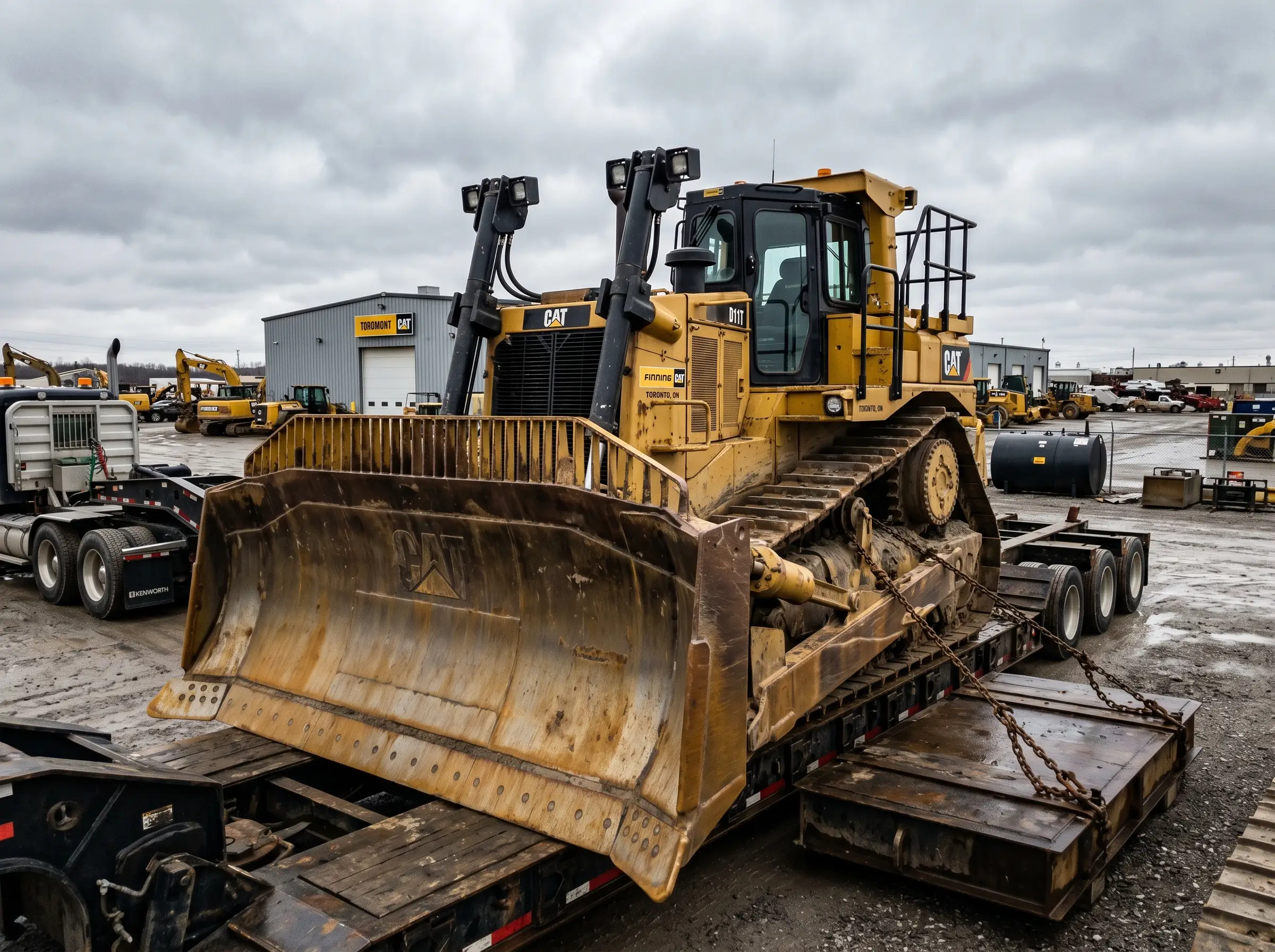
Bulldozer Transport
Trailer selection informed by blade width, machine height, track configuration, and operating weight.
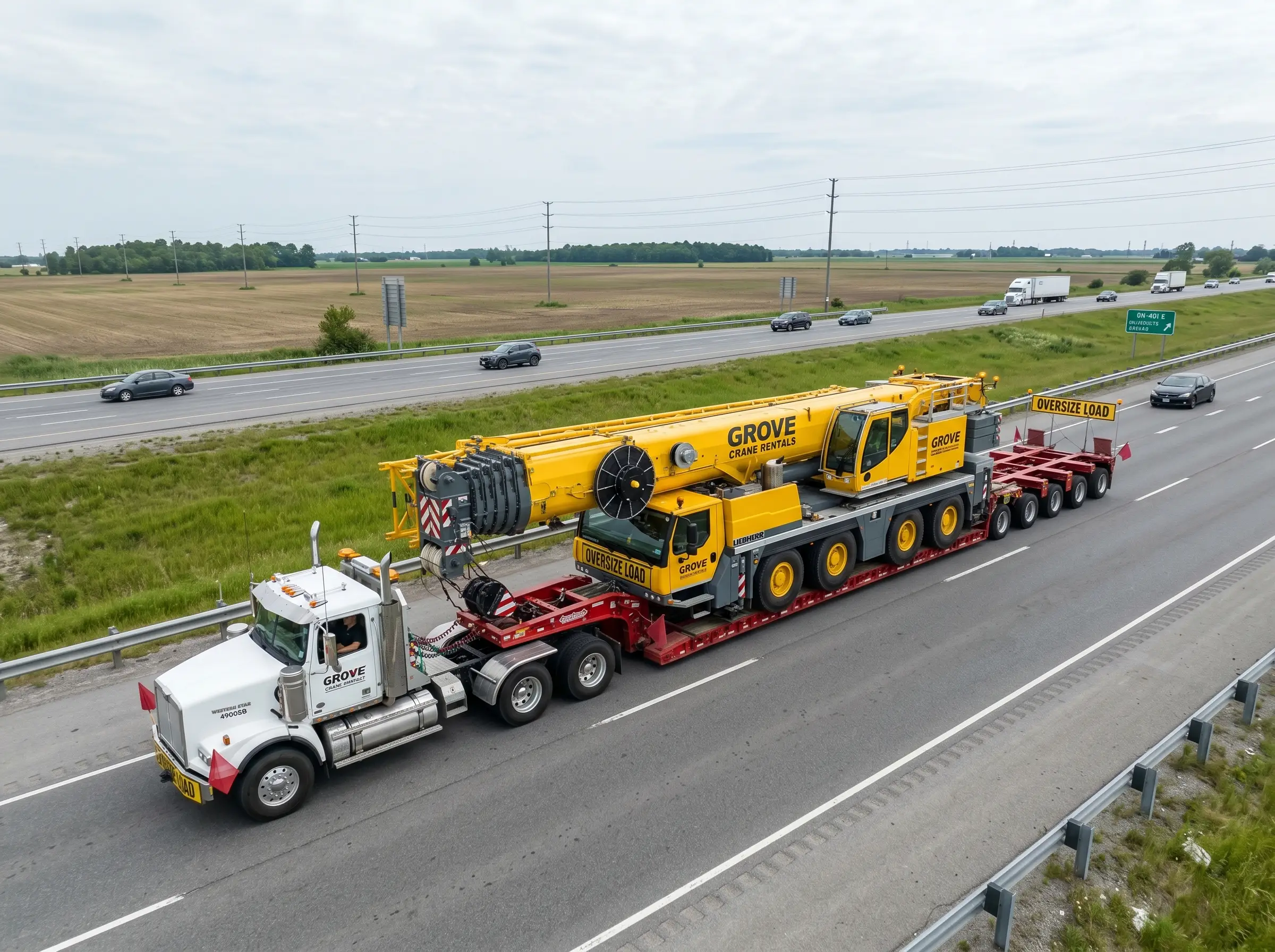
Crane Transport
Coordination for the main unit and, where applicable, separately transported boom sections, counterweights, or supporting components.
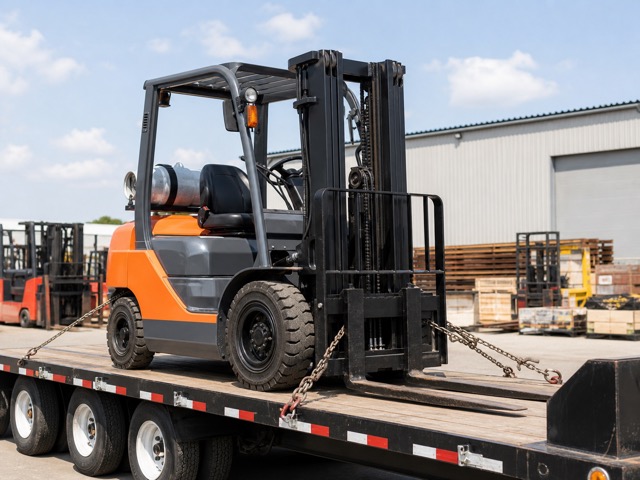
Forklift Transport
Transport planning for warehouse and rough-terrain forklifts, including mast height, ground clearance, and loading access.
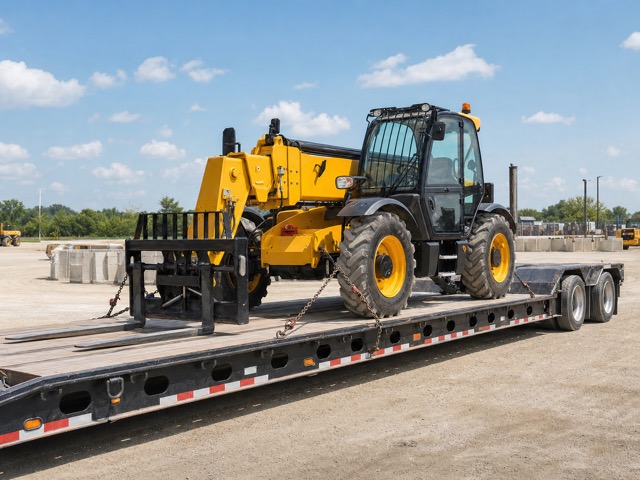
Telehandler Transport
Configuration review based on machine weight, cab height, boom position, attachments, and destination access.
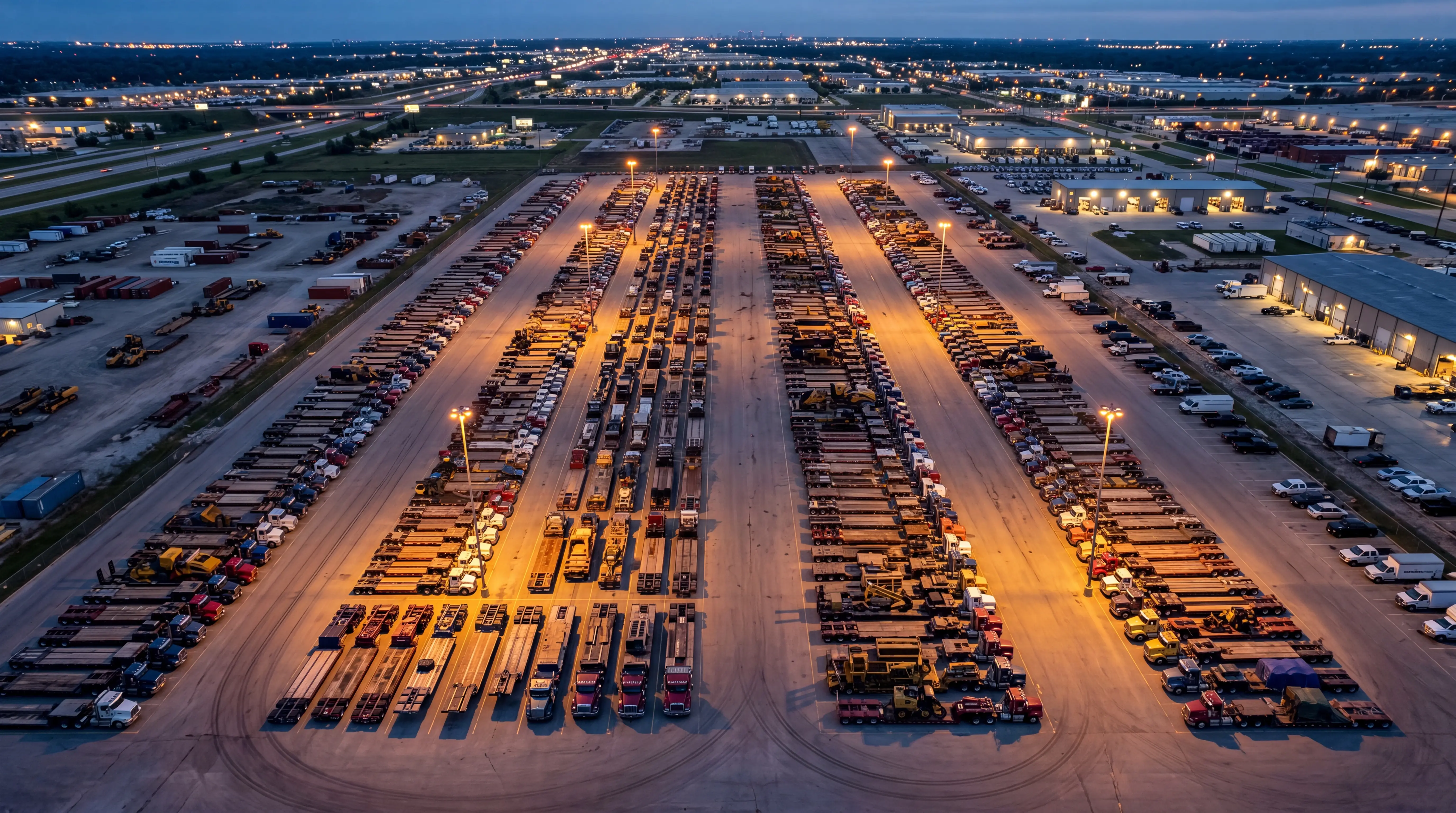
Vehicle and Fleet Transport
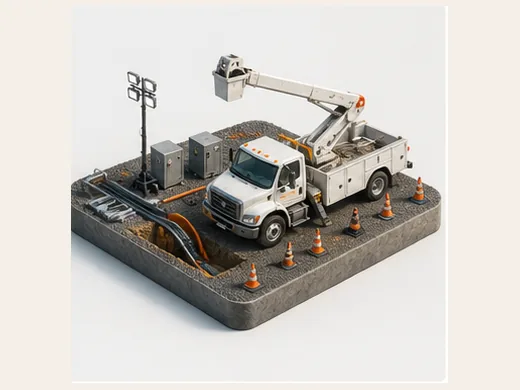
Commercial fleets, utility trucks, and support vehicles moved across provincial corridors under one coordinated dispatch plan.
Emergency Dispatch Hauling
Priority dispatch for breakdowns, urgent mobilization, and shutdown prevention with direct contact and rapid response windows.